Are you upset about those annoying tile cracks ruining the look of your beautiful floor tiles? Tile cracks can be frustrating, not only because they look bad but also because they might be a sign of bigger problems underneath. In this blog, we'll break down why tiles crack, how to prevent it from happening, and what you can do to fix cracked tiles.
How to tackle tile cracking? Understanding, Prevention, and Solutions
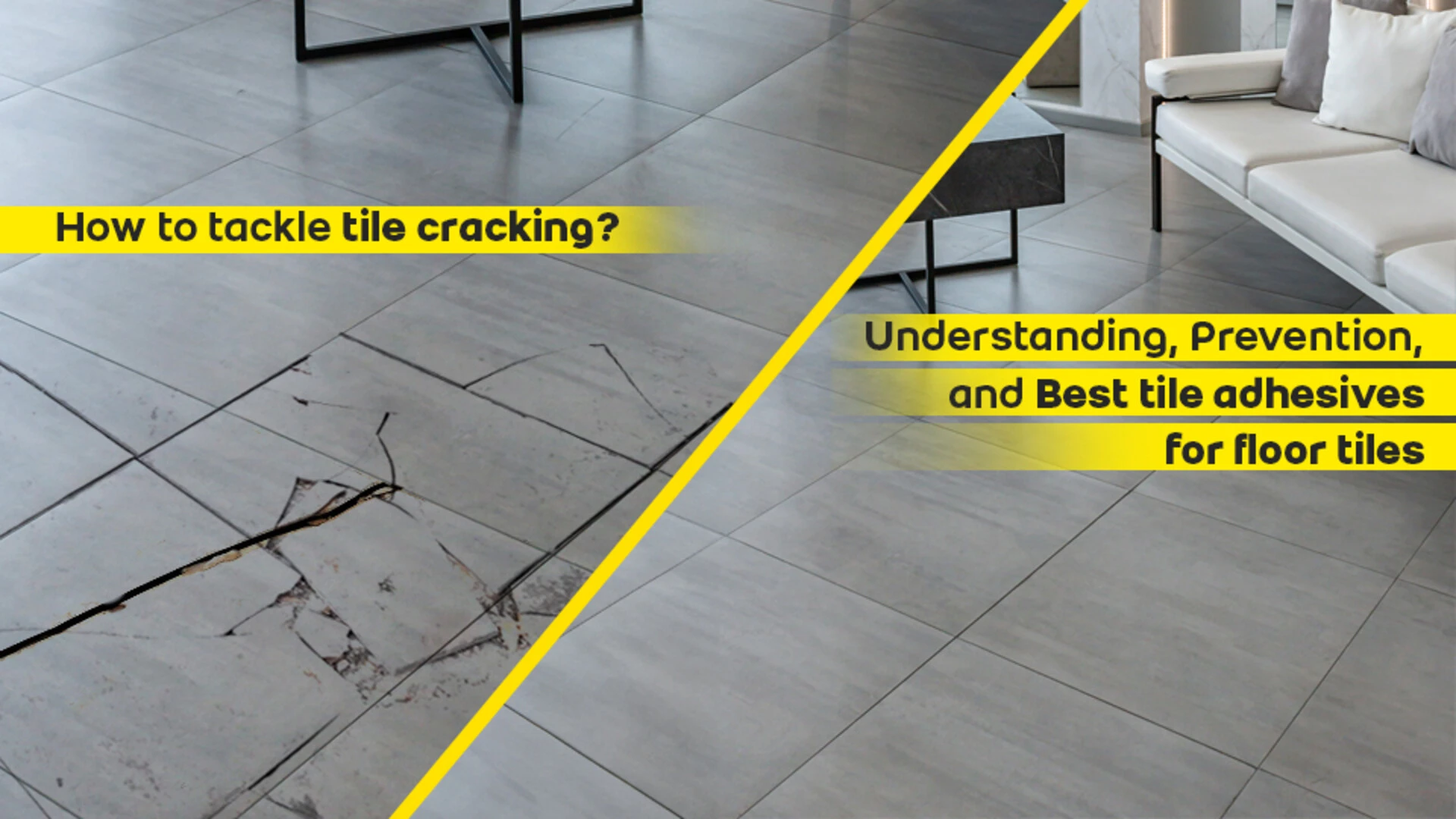
Why Tiles Crack
Tiles crack for several reasons, and it often starts with problems in the base layer, called the subfloor. If the subfloor isn’t properly prepared—meaning it's uneven, unstable, or has leftover debris from previous installations—it can create weak spots that lead to tile cracking. Using the wrong amount or type of tile adhesive when installing tiles can also cause them to crack because the tiles aren’t properly supported. Other factors like temperature changes, movements in the building structure, and using low-quality tiles can worsen the problem.
How to Prevent Tiles from Cracking
Preventing tile cracks begins with careful preparation. Make sure the surface is strong, level, and clean before you start tiling. Using high-quality tile adhesives that are known for strong bonding can greatly reduce the risk of cracks. Choosing good quality tiles that are appropriate for your specific use is also important. Adding things like advanced tile grout can help to prevent cracks. To prevent your tiles from cracking and debonding you can surely rely on Saint Gobain Weber’s advanced range of tile adhesives specially formulated to fulfil all your tiling and grouting needs.
1. Surface Preparation
Proper subfloor preparation is the foundation of a successful tile installation. A well-prepared subfloor ensures that the tiles have a solid, stable base, which is crucial for preventing cracks. Here’s what you need to do
- Clean the Subfloor: Remove all debris, dust, grease, and any previous adhesive residues. A clean surface ensures better adhesion.
- Level the Subfloor: Check for any uneven areas. Use a levelling compound to fill in low spots and sand down high spots to create a perfectly level surface.
- Check for Stability: Ensure the subfloor is structurally sound and does not flex or move. Any instability can cause the tiles to crack under pressure.
- Dryness: Make sure the subfloor is dry. Moisture can compromise the adhesive and lead to future issues.
2. High-Quality Tile Adhesive
The tile adhesive you choose is critical for the longevity and stability of your tile installation. High-quality tile adhesives like weberset firm, weberset flex, weberset monohiflex and many more from Saint Gobain Weber India offer superior bonding strength and flexibility, which helps to accommodate any minor movements in the subfloor. Here’s what to consider:
- Choose the Right Tile Adhesive: Different tiles and surfaces require different types of tile adhesives. For example, use flexible tile adhesives like weberset flex and weberset flex+ for areas that may experience light to moderate movement. For moderate to high movement areas weberset monohiflex can be used.
- Mix Properly: Follow the manufacturer’s instructions for mixing the tile adhesive. Incorrect mixing can lead to high or low adhesion properties.
- Application: Apply the tile adhesive evenly using a notched trowel to ensure a consistent layer. Make sure there is a 100% bond between tile and adhesive; with no air pockets leading to debonding over a period of time.
3. High-Quality Tiles
Selecting the right tiles is essential not just for aesthetics but for durability and performance. High-quality tiles are less prone to cracking and can withstand the stresses of their environment better. Consider the following:
- Material: Depending on the area (e.g., bathroom, kitchen, outdoor), choose the appropriate tile material such as ceramic, porcelain, vitrified or natural stone.
- Grade and Rating: Tiles are rated for different uses. Make sure to select tiles with the appropriate wear rating for your space. For high-traffic areas, use tiles that are rated for heavy use.
- Thickness and Size: Thicker tiles are generally stronger and less prone to cracking. Also, larger tiles may require more precise installation techniques to prevent cracking.
- Finish: Ensure the tiles have a finish that is suitable for the area. For example, non-slip tiles for wet areas like bathrooms.
4. Right Grouting
Grouting is the final step in tile installation and plays a crucial role in maintaining the integrity of the tiled surface. High-quality grouts like weberepox easy, weberjoint poxy, weberjoint poxyfill provide strength, resist staining, and accommodate slight movements. Here’s how to ensure your grouting is done right:
- Choose the Right Tile Grout: There are different types of tile grout (e.g., cementitious, decorative and epoxy). Choose the type that matches your tile. Depending on your choice of matching shade or contrast shade.
- Mix Properly: Follow the manufacturer’s instructions for mixing tile grout. The correct consistency is essential for proper application, levelness, uniformity in laying, performance and durability for the overall system.
- Application: Use squeeze from the webertool range of products. To apply the tile grout, press it into the joints and remove excess from the tile surface. Ensure all joints are filled.
How to fix cracked tile
Fixing a cracked tile might seem tricky, We suggest calling the experts and if you are willing to do it yourself here are some simple steps. First, you'll need to remove the tile and the grout around the cracked tile using a grout saw/reker or a small chisel. Next, clean the area thoroughly to ensure no old mortar or adhesive residue is left behind. Then, apply a uniform notched layer of weberset nova/ weberset firm tile adhesive on the subfloor. Then carefully place the tile into the place. Once the tile adhesive has dried, you can reapply grout to the area, making sure to fill in all the gaps. Finally, wipe away any excess grout and allow it to dry completely.
The other option is to completely fix the entire tiling, without removing the existing ones with the help of tile-on-tile application.